
War, Oil, and... Memory?
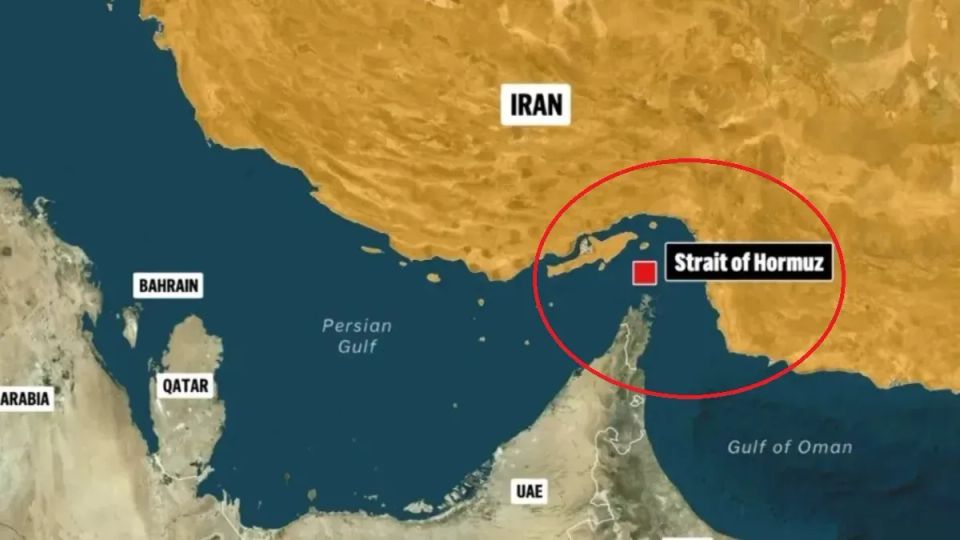
The US war with Iran has resulted in a large number of disruptions to global economics felt both in the stock market, and especially at the gas pump. The closure of the Strait of Hormuz has resulted in massive spikes in oil prices which has had a ripple effect throughout the world and across all sectors of the stock market. However, while everyone is focused on the price of oil, there has been another key disruption quietly crippling the tech industry.
Beyond oil, Middle Eastern countries (especially Qatar) are major exporters of other natural resources such as natural gas and helium, among others. South Korea is particularly dependent on Qatar for both natural gas and helium, and as a result of the Iran conflict has seen steep declines in both. South Korea is a massive exporter of memory chips used for AI and such a decline in production will have rippling effects throughout the AI industry and subsequently the technology industry as a whole.
As we look into the future, a shortage in memory chips will result in increased memory costs for companies such as Anthropic, OpenAI, and xAI, which all already operate at a loss. This increase in prices in an industry that is yet to see widespread profit due to the massive compute power required to power AI models will place top AI companies in a difficult position as the Iran conflict wages on. In an optimistic outlook, if the conflict were to end soon and the Strait of Hormuz to return to full operation, AI companies would likely suffer only a small speed bump in their current operating rhythm. However, should the parties involved fail to reach a resolution and export through and around the Strait of Hormuz continue to be affected far into the future, we may see the AI industry have to significantly adapt their practices in the face of memory chip shortages, either through changes to spending practices or the stalling of future R&D projects.